West Virginia is standing in the eye of a perfect storm.

Our foster care system is already breaking under caseworker shortages, heavy caseloads, and recent budget cuts. More than 6,000 children remain in state custody — a figure that would overwhelm even a healthy system.
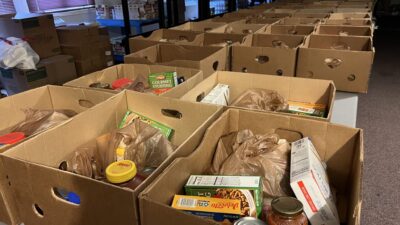
Now, amid that fragility, the federal government shutdown has triggered delays and partial funding of the Supplemental Nutrition Assistance Program, placing food benefits for roughly 275,000 West Virginians — including an estimated 86,000 children — at risk.
SNAP pays out about $45–$47 million a month in West Virginia; if disruptions persist through January, more than $135 million in food purchasing power could vanish from our grocery aisles, small town economies, and dinner tables. Food banks simply cannot replace support at that scale.
The consequences won’t stop at hunger. Research in JAMA Network Open links stronger SNAP access to lower Child Protective Services investigations and foster care entries. If benefits remain disrupted, West Virginia could plausibly see hundreds of additional neglect investigations and dozens of new foster placements by February — not abstractions, but children’s lives disrupted and trauma compounded.
And the ripple effects will be felt everywhere. Less grocery spending depresses local revenues and can trigger layoffs. Food insecurity raises stress-related risks — from theft for basic needs to relapse and family conflict — piling onto systems already at their breaking point. This is how temporary budget decisions become permanent scars on a generation.
We are watching a human catastrophe unfold in slow motion. Each month this shutdown continues, West Virginia’s most vulnerable families are pushed closer to the edge. The state should move urgently to support food banks and seek every lawful avenue to bridge gaps, while restoring foster care funding and shoring up frontline workers. Otherwise, when the history of this crisis is written, we’ll have to admit the truth: it wasn’t a storm we couldn’t weather — it was one we refused to prepare for.