A Postindustrial columnist explains why she chose the Queen City as the home for a new nonprofit arts organization that supports and celebrates underrepresented creators.

When I first started talking about my vision for creating an arts organization in the Midwest, my friends on the coasts always asked:
“Why Cincinnati?”
The reasons are many.
Cincinnati’s vibrant art scene, coupled with my own history here, makes it the ideal location for our collection at Bader + Simon, a nonprofit art gallery focused on important, sometimes difficult-to-discuss topics.
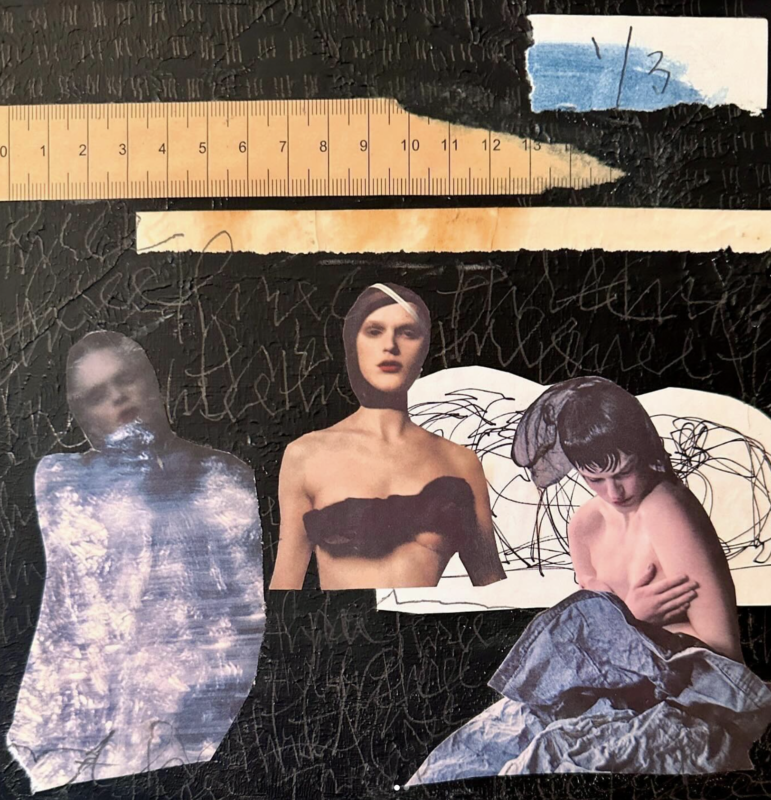
“1 in 3″ by Tamara White
The city has a rich history of using art to advocate for underrepresented communities and the issues affecting them.
In the late 19th century, the now internationally acclaimed Cincinnati Art Museum was founded by a group of determined women who defied the patriarchy.
Jump ahead a century to the 1980’s, Cincinnati’s Contemporary Art Center garnered national attention after being taken to court for displaying images by Robert Mapplethorpe, which, at the time, were considered by some to be too sexually explicit for public display.
And today, the National Underground Railroad Freedom Center pays tribute to the decades-long, often deadly, effort to abolish slavery.
My personal connection to Cincinnati also inspired me to create the Bader + Simon Gallery and locate it in the up-and-coming Over-The-Rhine neighborhood.
Also Read: Postindustrial Art: Empowerment Grants celebrate emerging arts
This dynamic city is where I learned a great deal about art and the community’s creators while receiving my doctorate at Cincinnati’s Union Institute & University.
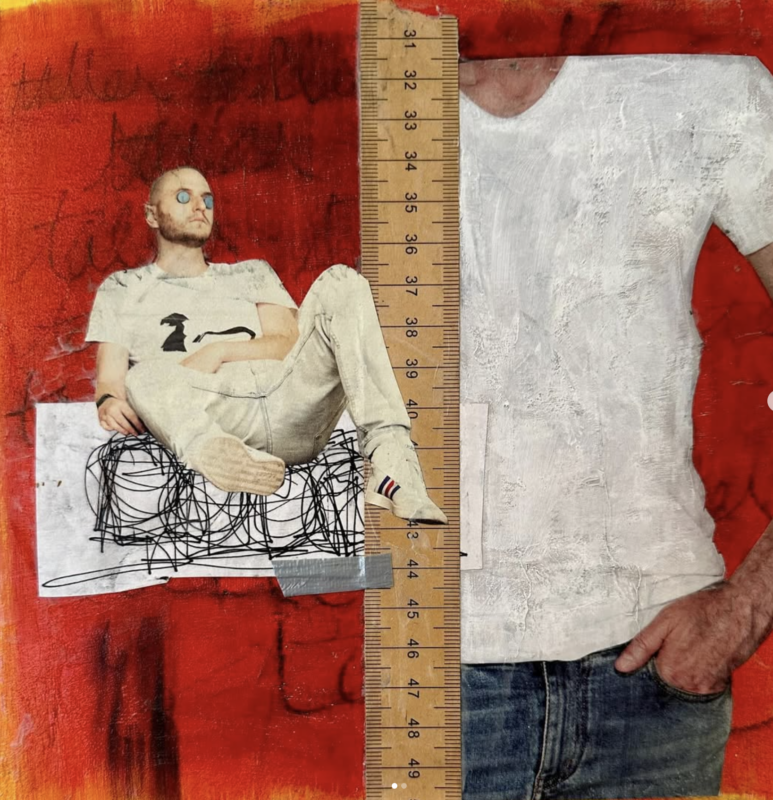
“Boys to men” by Tamara White
It was during that time that I first fell in love with the local art scene and began creating an art collection curated around social justice themes.
Today, my personal collection includes more than 200 works by well-known and respected artists.
It centers on a variety of topics, including BIPOC, LGBTQIA+, feminism, and issues related to America’s penal system, a topic especially important to me; growing up, my mother was a prison guard, and I currently work with prisoners to help them express themselves and heal through art.
These days, I rarely purchase art solely for its aesthetic value, but rather to advance the gallery’s mission: using art to foster dialogue and shift perspectives while supporting artists who challenge our perceptions and question the status quo.
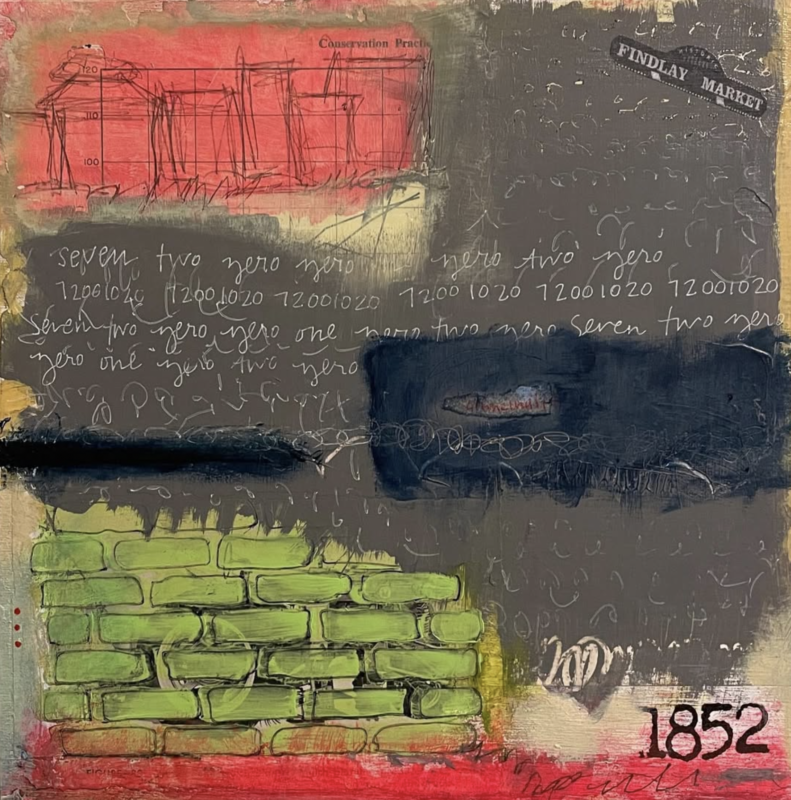
“National Treasure” by Tamara White
Meanwhile, my own art is influenced by my art collection, bringing together a range of items, some found, some overlooked, and others intentionally sought out.
I have always gravitated toward using what I create to speak about what’s happening around me, both personally and globally.
I am the artist and art collector I am today, much in part due to this incredible city.
It’s with all this in mind that we aspire for Bader + Simon to become a valued addition to Cincinnati’s vibrant and historic art scene.