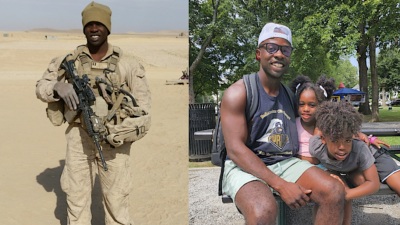
A Postindustrial columnist and Marine veteran writes about prioritizing the health and well-being of veterans and the healing power of nature.

In the coming days, months, and years, thousands of service members will return home to their communities, in need of opportunities to reckon with the realities of America’s latest war — a conflict designed to deliver massive profits to corporate polluters and defense contractors while straining our communities and our pocketbooks.
The United States is no closer to leaving a state of perpetual war than it was 25 years ago at the outset of the Afghanistan and Iraq Wars.
In 2026 alone, Congress has failed multiple times to uphold its obligation to authorize war and has taken offensive actions in multiple countries that align with U.S. geopolitical and fossil fuel interests.
Veterans like myself understand the cost of war and its impact on those who wage it, and we know the need to ensure any decision to send service members into harm’s way is worth the potential loss of life.
In my time leading the Sierra Club’s Military Outdoors program, I’ve had the privilege of hearing the perspectives of hundreds of veterans whose service has spanned multiple wars.
One lesson we must act on now is to increase opportunities for service members and veterans to experience the healing qualities of the outdoors upon returning home from war. This includes the 50,000 servicemembers currently stationed in the Middle East, and the thousands more in the Caribbean, along our southern border, and in our cities.
People who have worn the uniform have a predisposition to serving their communities, and when presented with the opportunity, we will approach that service with the same fervor as preparing for war.
My post-service experiences have taught me that we must prioritize creating pathways for veterans to channel their energy into protecting the waters, lands, and communities they served to protect with the same urgency with which they engaged in warfare.
A recent Sierra Club report found that nearly 1 in 5 U.S. veterans do not have access to nature. These numbers are even higher in low-income neighborhoods and communities of color — places where people suffer from the legacy of systemic racism. These are also the areas where we intentionally recruit the next generation of servicemembers.
The recently introduced Veterans Outdoor Rehabilitation Act will help ensure every veteran, regardless of income or location, has access to the restorative power of nature. This bipartisan legislation represents a bona fide commitment to support active-duty service members and veterans by removing barriers to accessing the outdoors.
What would it look like if our federal government invested in increasing veterans’ access to nature, rather than spending $1 billion dismantling renewable energy projects?
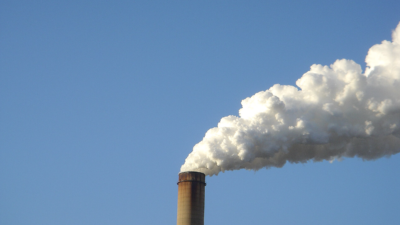
What if our federal government enforced clean air and water regulations, instead of spending $175 million propping up coal plants?
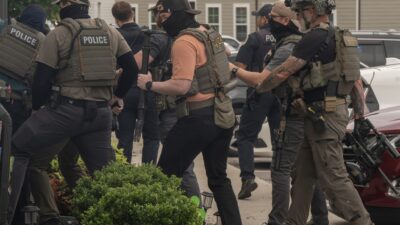
What would it look like if we took deliberate action to improve the resiliency of our communities by mitigating climate change and providing better access to nature, as opposed to requesting a record $1.5 trillion to support the Department of Defense, diverting $200 billion for war in Iran, and spending $2 billion on unnecessary domestic military deployments?
We must be prepared with the vision, policies, and will to reverse course and create a better future for the next generation of service members and veterans.
On the campaign trail, Trump promised to do the bidding of the oil and gas industry in exchange for $1 billion in campaign contributions – a promise he’s delivered on at the expense of our lives and national security.
A solution to these seemingly never-ending conflicts includes respecting the military by choosing to wage wars of necessity and not to enrich billionaires and multinational corporate polluters.
But most importantly, a solution requires centering our most impacted neighborhoods by using the outdoors as a vehicle to build connections with the land and with each other. The healing power of nature is our best hope to support veterans suffering from the lasting effects of America’s wars.
Postindustrial is proud to partner with the Sierra Club to provide perspectives on stories that affect the outdoors and those who enjoy them in our community.