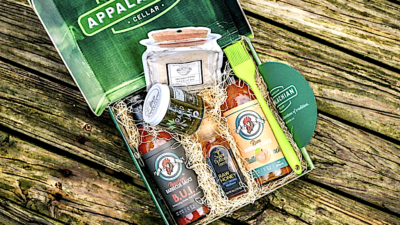
Nestled in the heart of West Virginia, Appalachian Cellar is a creators’ cooperative that embodies the spirit of the Appalachian region and celebrates its recipes and remedies.

Owned and operated by local artisans and farmers, the collective serves as a gateway to the rich heritage and generational craftsmanship that define this unique area.
With over 300 products sourced exclusively from West Virginia, Appalachian Cellar is more than just a business—it’s a community endeavor to preserve and promote the state’s cultural and economic vitality.
Founded in 2019 by a group of 12 farmers, Appalachian Cellar began with a focus on hops cultivation. This initiative quickly blossomed into a cooperative that includes a diverse array of products, from food and farm items to apothecary goods.
Each product tells a story of tradition, innovation, and dedication to authentic methods, reflecting the deep-rooted connection between the land and its people.
The cooperative model of Appalachian Cellar is at the heart of its operations.
As Audra O’Dell, one of the key figures behind the initiative, explains, it’s about more than just selling products; it’s about creating a sustainable economy that benefits local communities.

Appalachian Cellar leader and member Audra O’Dell
“Every product we carry, every jar of jam, bottle of syrup, and bar of handmade soap tells the story of the mountains, the hands that made it, and the techniques passed down through generations,” said O’Dell.
Appalachian Cellar not only caters to retailers and restaurants but also reaches individual consumers, both locally and beyond. The cooperative has been expanding its reach, shipping products out of state and exploring new markets.
This expansion is supported by efforts to build infrastructure, such as warehousing and distribution systems, which are crucial for scaling operations and meeting the growing demand for West Virginia-made products.
The cooperative operates on a revenue-sharing model that rewards its members based on their contribution to sales, ensuring fair distribution of profits and encouraging active participation.
This approach fosters a sense of ownership and community among members, who are not just suppliers but stakeholders in the business’s success.
“As a chef, my best food tells a story. Using local, heritage-made products adds depth to both the flavor and that story,” said Matt Welsch, a Wheeling chef, restaurant owner, and Postindustrial columnist who is also an Appalachian Cellar brand ambassador.
I’ll never forget when I was a kid, and we’d pull a jar of last year’s harvest out of the root cellar to enjoy mid-winter. It was like magic.
“And it brings me great joy picturing other people outside of the state getting to experience that when their order arrives in the mail, or they bring a jar home from the local market.”