Wisconsin is known for its beautiful outdoors, abundant wildlife and proud hunting traditions. Generations of residents have grown up appreciating our natural resources and the importance of conservation.

We pride ourselves on responsible wildlife management and passing our outdoor heritage on to future generations.
So why does Wisconsin continue to allow organized wildlife killing contests?
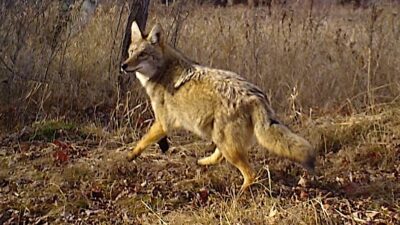
Wildlife killing contests are exactly what their name suggests. Participants compete to kill the most animals, the largest animals, or sometimes even the smallest animals within a designated period. Coyotes, foxes, bobcats, raccoons, rabbits, squirrels and other wildlife become targets in competitions where cash, firearms and other prizes are awarded.
Let’s be clear: This isn’t about banning hunting. It isn’t about taking away someone’s ability to protect livestock, manage legitimate wildlife conflicts or participate in lawful hunting.
It’s about drawing a line between responsible outdoor traditions and organized competitions that turn killing wildlife into entertainment.
What conservation value is there in rewarding someone for killing the most animals in a weekend?
Wildlife plays an important role in maintaining healthy ecosystems. Predators such as coyotes and foxes are an important part of Wisconsin’s natural landscape. Indiscriminate killing can have unintended ecological consequences and should not be confused with science-based wildlife management.
There is also a troubling ethical question. What message are we sending to the next generation when children are encouraged to participate in events where dead wildlife is lined up, counted, weighed, and awarded prizes? We should be teaching our children to appreciate wildlife, understand its importance, and respect the natural world — not celebrate how many animals can be killed.
Wisconsin is not alone in confronting this issue. Other states have already taken steps to prohibit or restrict wildlife killing contests, recognizing that conservation should be about protecting and responsibly managing natural resources, not creating competitions around animal deaths.
There is also growing momentum here at home. Wisconsin Conservation Congress resolutions have brought this issue before residents and wildlife policymakers. Support for ending these contests demonstrates that this is a conversation Wisconsin can no longer ignore.
And let’s recognize something important: Many responsible hunters do not support these contests. Ethical hunting and wildlife killing competitions are not synonymous. We can respect Wisconsin’s hunting heritage while opposing competitions that reward the largest number of dead animals.
Now that Democrats will have trifecta control of Wisconsin state government in January, there is an opportunity to finally make meaningful progress on ending wildlife killing contests across our state. With control of the governorship and both chambers of the Legislature, Democratic leadership will have an opportunity to turn growing public concern into meaningful action. I urge our newly empowered lawmakers to make ending wildlife killing contests a conservation priority. This is an opportunity to demonstrate that Wisconsin values its wildlife and that compassion, science and responsible stewardship matter.
Our lawmakers and the Wisconsin Department of Natural Resources should work toward a statewide prohibition on organized wildlife killing contests, including the organization, sponsorship, promotion and participation in competitions that reward killing wildlife.
As someone who has spent years advocating for wildlife, I believe we have a responsibility to speak for the animals that cannot speak for themselves.
Wildlife belongs to all of us. It is part of Wisconsin’s natural heritage, and its value cannot be measured by a cash prize or the number of carcasses at a weigh-in.
We should be a state that celebrates its wildlife, not one that rewards its destruction.
Wisconsin can do better. It’s time to end wildlife killing contests once and for all.