Maryland environmental regulators are poised to impose sweeping new restrictions on a major coal export facility in South Baltimore this week, a move aimed at curbing decades of pollution in one of the state’s most heavily industrialized neighborhoods.

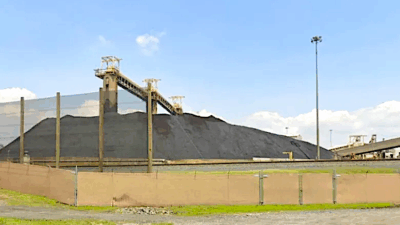
The Maryland Department of the Environment is expected to order CSX Transportation, which operates the sprawling coal terminal in Curtis Bay, to install a massive windscreen designed to block coal dust from drifting into surrounding residential areas.
The measure is part of a revised operating permit for the terminal, which ships millions of tons of coal overseas each year and has long drawn complaints from residents about pervasive soot and poor air quality.
The action follows a recent Johns Hopkins University study that established a clear link between coal-handling activity at the site and elevated levels of particulate pollution in the nearby community.
The research, conducted with participation from residents, found that dust concentrations spiked when terminal operations intensified and the wind blew toward homes.
“This decision reflects the mounting scientific evidence and the urgency we’ve heard from the community,” said a senior state environmental official, who was not authorized to speak publicly ahead of the formal announcement, told the Baltimore Banner.
Curtis Bay, a predominantly working-class neighborhood bordered by rail lines, shipping yards, and fuel depots, has long borne the brunt of Baltimore’s industrial economy.
Residents have reported chronic respiratory ailments and layers of fine black dust settling on their porches and windowsills. Many say the regulatory response has been slow and inadequate until now.
The proposed windscreen, which could stretch several stories high, is seen by regulators as a first step.
Environmental advocates are pushing for stronger controls, including full enclosure of the coal piles and year-round air monitoring along the site’s perimeter.
CSX has previously defended its handling practices, citing the use of water sprays and surfactants to suppress dust. Still, the new findings have intensified calls for a more comprehensive overhaul of the facility.
Maryland is under increasing pressure to align industrial oversight with its environmental justice commitments.
Curtis Bay, with its long history of environmental issues and limited political clout, has emerged as a litmus test for how seriously the state intends to address those disparities.
The new expected order could mark a turning point not only for Curtis Bay but for the broader conversation about what it means to balance commerce and community in a state confronting both climate change and its industrial past.