A community and economic development expert with deep Ohio roots examines the potential and pitfalls of reimagining a former steel powerhouse as it searches for a new direction.

Youngstown has long been emblematic of Postindustrial America—a city grappling with the remnants of its industrial past while striving to chart a new course for its future.
As a community that once thrived on the steel industry, Youngstown now faces a pivotal juncture, requiring strategic vision and innovative leadership to unlock its potential.
One of the persistent challenges facing Youngstown is the fragmented approach to economic development. Despite pockets of progress, the city often suffers from a lack of cohesive regional leadership.
Resources remain scarce, and the competitive landscape among local power structures inhibits unified growth.
There’s a dire need for Youngstown to embrace a regional mindset in which victories in one part of the community are recognized as wins for all.
This shift could foster a collaborative environment, essential for holistic development.
The leadership gap
Youngstown’s leadership landscape is dominated by those who cling to outdated models of economic prosperity, such as the revival of single-source industries reminiscent of the steel mills (look no further than the next big thing: an all-in on data centers).
However, the future demands a forward-thinking approach that embraces new industries and innovative solutions. Both looking at large and small businesses alike.
True economic growth comes from a wide range of sectors and innovation, not an “all-eggs-in-one-basket” approach.
The city needs leaders who can bridge the generational gap and bring fresh perspectives to decision-making.
Mentoring emerging leaders and fostering an environment where diverse voices are heard can catalyze meaningful change.
Housing and infrastructure: Opportunities in disguise
Youngstown’s abundance of vacant lots, often seen as a liability, could be a transformative asset.
With strategic planning, these spaces can be reimagined to accommodate sustainable housing solutions tailored to the needs of future generations.
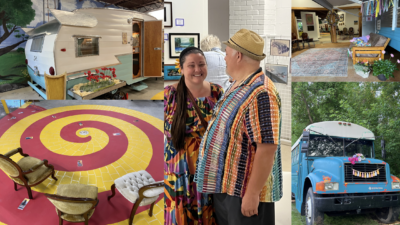
Embracing innovative housing models, such as tiny homes or eco-friendly developments, could position Youngstown as a leader in sustainable urban living.
The key lies in shifting perceptions—viewing these vacant spaces as opportunities rather than deficits —and not putting the vision and decision-making in the hands of developers, who sometimes lead by profit rather than overall prosperity.
A call for strategic vision
The path forward for Youngstown involves embracing a strategic vision that integrates economic development with social equity.
This includes recognizing the interconnectedness of housing, workforce development, and community engagement, not via lip service but as true champions of change.
By fostering an inclusive environment that welcomes diverse perspectives and talents, Youngstown can become a beacon for those seeking a vibrant community to call home.
Youngstown stands on the brink of a renaissance, poised to redefine its identity; the journey will require courage, collaboration, and a commitment to innovative thinking.
By leveraging its assets and embracing a unified vision, Youngstown can transform from a symbol of postindustrial decline into a model of sustainable growth and community resilience.