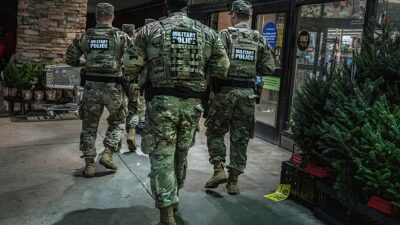
Interrogation by masked ICE officers and other law enforcement can be scary. But you do have rights. Make sure you know them.

During my days covering conflict, I was often approached by armed, masked men asking to see my credentials, where I was going, and inquiring about my intentions.
And no matter how many times it happened, it was always unnerving.
We’re seeing similar intimidation tactics by ICE agents all over the country. They stop anyone they like and demand to see verification of citizenship without identifying themselves. Just recently, ICE arrested 18 people in West Virginia during the state’s largest one-day festival.
I never thought I’d see such heavy-handed authoritarian tactics outside of a warzone or dictatorial state. And especially not in the United States. But that’s where we are, unfortunately.
And while it may seem hopeless to resist or inquire about your rights, which is precisely how they want you to feel, you can still do both.
Here is a short, handy guide to your rights and how you should respond when confronted by ICE, according to the American Immigration Lawyers Association (AILA), a voluntary bar association that provides continuing legal education, professional services, information, and expertise to more than 18,000 attorneys who practice and teach immigration law.
Be sure to keep it on you when attending a protest or any public event.
And be sure to keep this column handy, too, as a brief guide for what to do when confronted by ICE.
Keep the following in mind when stopped by ICE agents:
1. You have the right to ask if you are under arrest or free to leave
2. You have the right to remain silent
3. You are not required to show immigration documents
4. You may refuse a search
5. You have the right to speak to a lawyer
6. You do not have to sign anything
If you believe your rights have been violated, write down what happened or ask a witness to do it.
Be sure to include specific details like names, badge numbers, and exactly what was said and done. Report the violation to a lawyer or an immigrant rights organization like AILA.
Remember: All people living in the United States, including undocumented immigrants, have certain constitutional rights. Even if you are undocumented, you have rights.