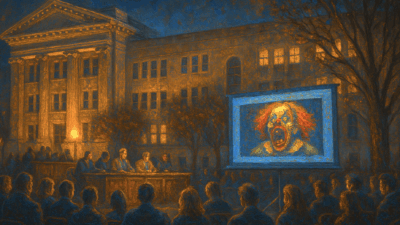
A routine public-comment session at a Baltimore City school board meeting was abruptly halted this week when a “graphically offensive” video began streaming during a virtual presentation, prompting officials to pause and reassess the proceedings.

The Baltimore City Public Schools social media account called the video “antisemitic, racist, and obscene adult content that was deeply offensive, threatening, and inappropriate.”
The incident occurred during a prerecorded video comment submitted by residents, as the board conducted its meeting via Microsoft Teams.
Viewers who joined remotely were met with a frozen image of Board Chair Robert Salley. At the same time, those in the room were exposed to the explicit content for several tense moments before the meeting was recessed, according to Baltimore City Public Schools.
Spokesperson Sherry Christian confirmed that the board paused the session to “assess the implications and determine the safest way to proceed.”
The board subsequently resumed the meeting without the public-comment segment, proceeding via a private recording that has since been uploaded to City Schools TV for on-demand viewing.
The source of the offensive video remains unclear. It was played only for those attending in person; remote participants saw no disruption. Chair Salley noted that the livestream was concluded following the interruption, but that the meeting itself continued in a closed format.
City officials emphasized that they are working closely with their technology team to tighten security protocols to prevent a recurrence, particularly as virtual sessions become a standard means of civic engagement.
School board members and staff refrained from commenting publicly, except for Salley’s brief remarks during the live stream. Meanwhile, the district is reviewing whether the incident was caused by submission of harmful content or another technical lapse.
This interruption adds to a growing list of challenges facing Baltimore City schools. The district has recently expanded its digital platforms, including a second YouTube channel dedicated to live and archived board meetings, to enhance public transparency.
But the incident underscores pressing concerns about cybersecurity, quality control, and maintaining a respectful environment for public discourse.
City Schools officials say that steps will include stronger filters on submitted video content and enhanced moderation of virtual meetings. They are also exploring how best to balance inclusive board access with safeguards against potential misuse.
For now, the disruption marks a jarring reminder that even as civic processes adapt to digital formats, they remain vulnerable to unforeseen intrusions. The board plans to address the incident in upcoming sessions and finalize a secure protocol before accepting the next round of public comments.