We discussed ICE enforcement with Eli Baumwell, the head of the ACLU in West Virginia, which helps protect the rights of those targeted.

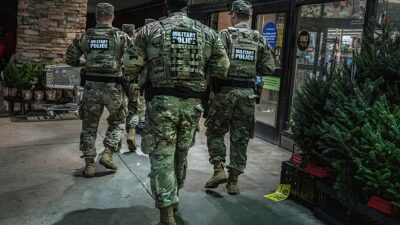
Recent Homeland Security crackdowns in West Virginia have targeted immigrant workers in the state’s agricultural sector, according to Baumwell. He elaborated on those efforts – resulting in more than 600 arrests – and more in a recent, short conversation with Postindustrial.
Postindustrial: What has ICE and Border Patrol done in West Virginia recently?
Baumwell: We heard they wanted to run a six-week operation here to claim some success in what they thought would be a friendly area, particularly after all the setbacks in Minnesota.
So, for example, in Morfield, there’s a poultry plant. We know that there’s been a lot of enforcement actions up in that area.
Since their operation has wound down, there are still occasional enforcement actions going on. But it slowed way down. They wanted to come in, put up numbers, and walk out. That’s what we’ve heard, and that’s what we’ve primarily seen.
Postindustrial: What kind of cooperation does ICE and Border Patrol get from local authorities?
Baumwell: [West Virginia’s] anti- sanctuary city laws put a lot of onus on local officials and local law enforcement officials to cooperate to the fullest extent. [However] I do know that in some areas local law enforcement has taken a little bit more of a passive approach of “if we’re asked to and we have to, we will because this is what our law says.”
But they’re not making this a priority.
Postindustrial: The ACLU certainly has its share of detractors. Have you or anyone in your office felt unsafe doing your job there?
Baumwell: Yes and no. There’s always some sort of underlying threat that’s there, particularly when initial memos started circulating about targeting organizations and groups that could be considered hostile to the administration because they were doing things like promoting gender ideology.
We stand up for trans light rights unapologetically and ensure that people, regardless of their immigration status, are given all due process rights. We always get comments on social media and the occasional letter that’s vaguely threatening.
But then, there are people who face more direct threats.