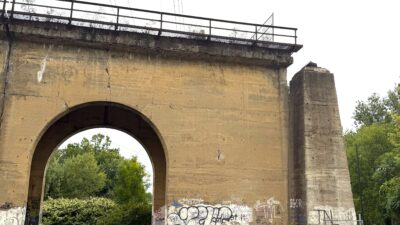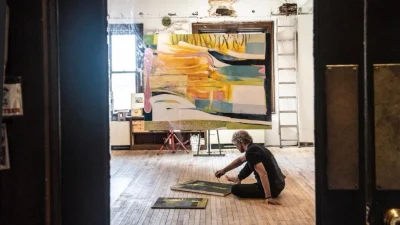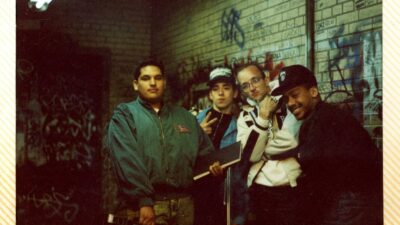
A new documentary focusing on the graffiti culture of East Chicago, Indiana, is set to shed light on the dynamic art form and its impact on the community.

The film, currently in production, highlights the experiences and stories of local graffiti artists, particularly members of Crazy Indiana Style Artists (CISA).
Gabriel Barajas, the documentary’s director and producer and a member of CISA since 2016, said the project began in late 2024, with plans for completion targeting late 2026 or early 2027.
Barajas and his crew aim to present a comprehensive view of the culture while showcasing both archived and newly filmed footage. The team hopes to feature some of this material at an upcoming gallery show, emphasizing the importance of community engagement and storytelling in their work.
“Production is currently at around 50% completion,” Barajas noted. He explained the unique nature of documentary filmmaking, where pre-production and production processes often overlap.
This methodology allows for a more organic representation of graffiti culture, as the filmmakers gather materials and stories simultaneously.
Barajas, who resides in nearby Hammond, Indiana, highlighted the region’s rich history of graffiti, dating back to the 1980s.
He pointed out that high-quality video footage from that era is limited, but there is a wealth of archival photographs documenting the evolution of the art form.
CISA is known for its tight-knit relationships among members from diverse backgrounds.
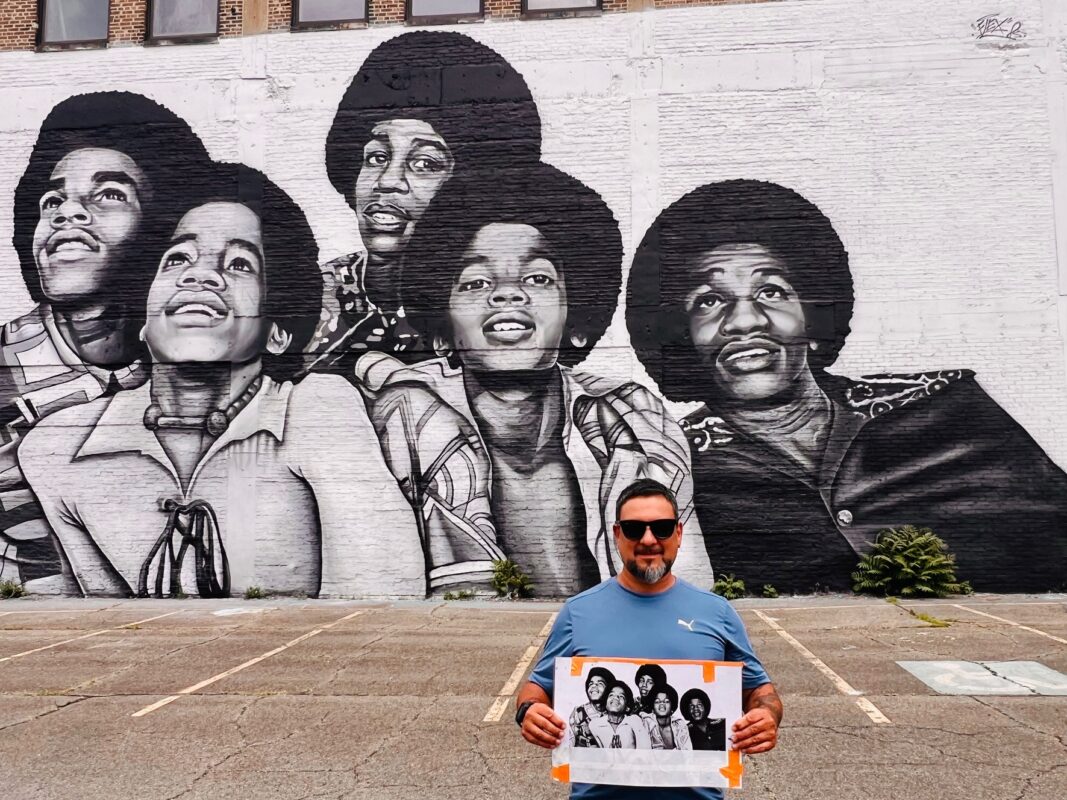
Gary, Indiana’s own Jackson Five featured in one of the city’s many new murals.
This wide variety of personal histories creates a vibrant atmosphere that fosters creativity, allowing artists to influence and inspire one another rather than conforming to a singular style.
The discussion also explored how graffiti has transitioned from simple tagging on walls to more elaborate murals. Barajas introduced the concept of “permission walls,” which are designated spaces where artists can legally showcase their work.
This shift in public perception has allowed graffiti to be recognized as a legitimate form of artistic expression rather than mere vandalism.
“This evolution in perception is significant,” Barajas stated. “While the act of creating graffiti—writing or painting on walls—has remained constant, the context in which it is viewed has changed dramatically. Nowadays, community beautification projects utilize graffiti and murals to tell stories and enhance urban environments.”
The cultural impact of graffiti art extends beyond aesthetics; Barajas and his crew view their work as a means of revitalizing their Postindustrial Community.
By showcasing their artistic expression, they aim to inspire future generations and demonstrate the potential for smaller communities to cultivate creativity and resilience.
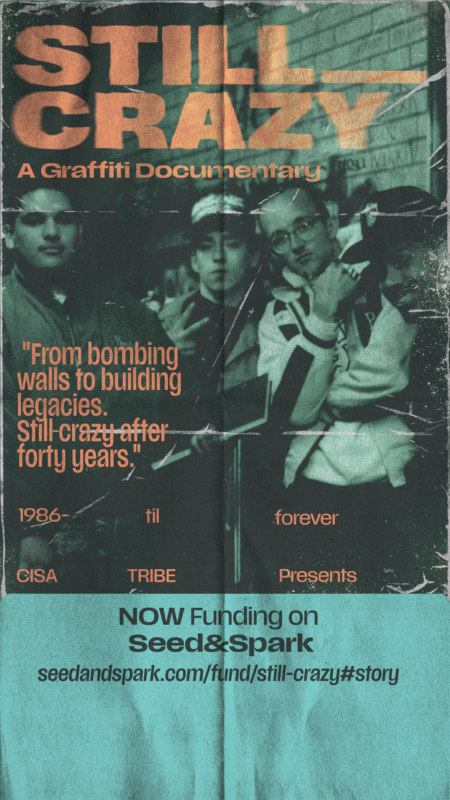
As the documentary progresses, Barajas and his team are eager to include images of their artwork to illustrate CISA’s journey and the rich culture surrounding graffiti in East Chicago.
Help CISA complete their documentary by contributing here.
The finished film promises not only to document the art form but also to celebrate the communal ties that define it.
Barajas expressed his hope that the documentary will resonate with audiences, showing that anyone—regardless of their location or background—can engage in meaningful artistic expression. “We want to highlight that even in smaller communities, greatness and creativity can emerge,” he remarked.
The CISA crew’s dedication to graffiti culture is an essential part of their identity and the broader narrative of East Chicago’s art scene. As they prepare for the film’s release, the team is committed to fostering conversations about art, culture, and community revitalization in their unique region.
This documentary aims to ensure that the voices of East Chicago’s graffiti artists are heard and appreciated, showcasing their contributions to both the local and wider cultural landscapes.
“I just hope people see that a small group outside of a big city can still make an impact,” said Adrian Galvan, co-producer and art director on the documentary.
“You can still be creative. You can still be competitive, and you can still create greatness.”