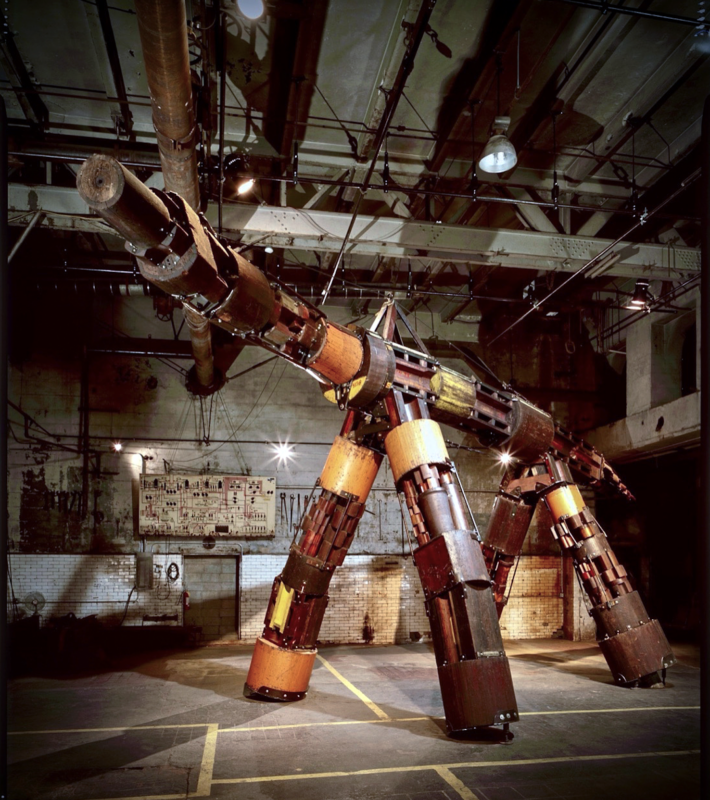
A growing effort is underway to preserve Walking Stick Rocket, a large-scale public sculpture that embodies both the artistic spirit and industrial legacy of the Pittsburgh region.

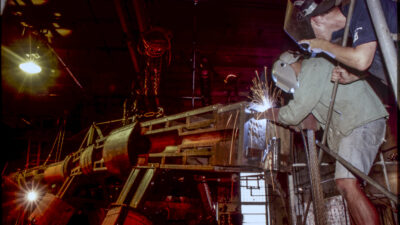
Created over the course of two years in 2002 by a group of artists known as the Industrial Arts Collective, the work is constructed from reclaimed wooden forms once used in the steel casting industry—materials that directly connect the piece to the area’s manufacturing past.
The wooden components that define Walking Stick Rocket were originally used as patterns for producing “rolls” in rolling mills, a process central to steel production in Western Pennsylvania and across the country.
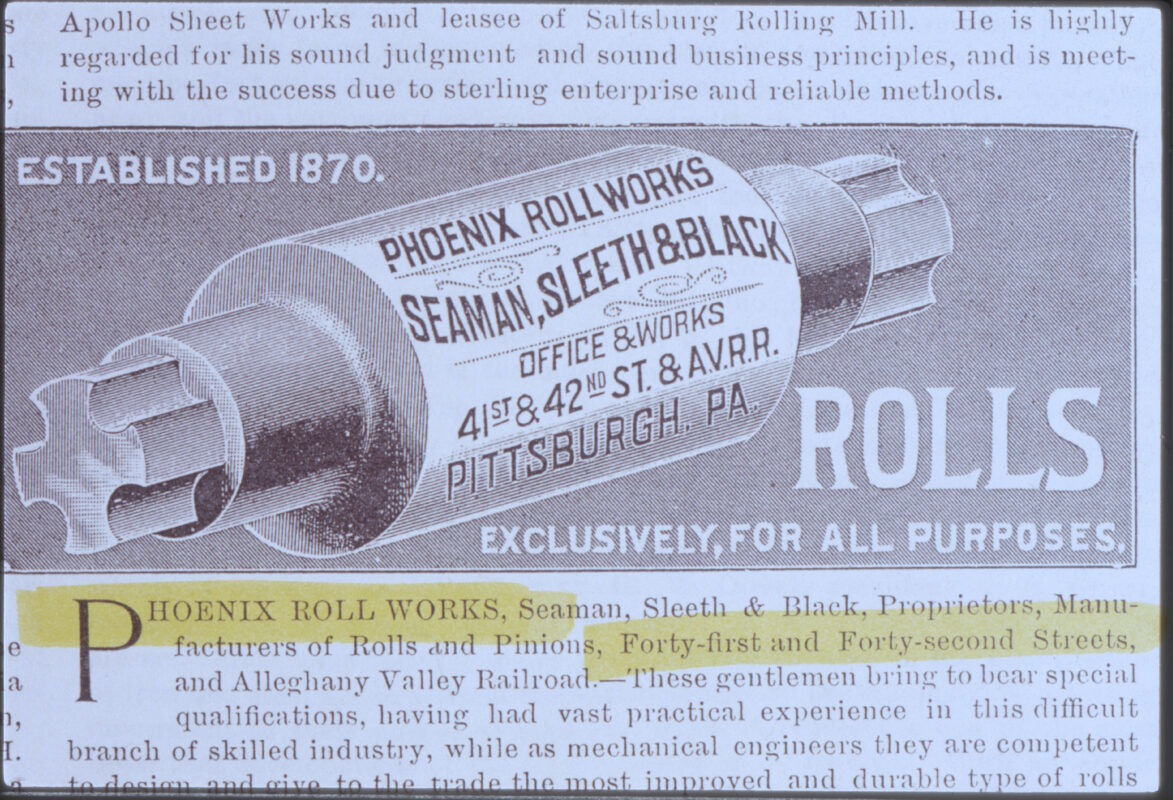
The artists recovered these materials during the demolition of a foundry complex in Pittsburgh’s Lawrenceville neighborhood. They began constructing the sculpture on-site, embedding the work within the physical and historical footprint of the industry it represents.
As a result, Walking Stick Rocket is more than a sculptural installation. It is a physical record of labor and production, transformed into an expressive, large-scale artwork. For many in the arts community, the piece stands as a powerful example of material reuse and the role of public art in preserving cultural memory.
That legacy is now at risk.
During a recent clean-out of a local storage facility, Walking Stick Rocket sustained significant damage. Components of the sculpture were reportedly mishandled, displaced, and, in some cases, lost.
Because the work is composed of unique, reclaimed industrial artifacts, many of these elements are irreplaceable. Their loss not only affects the sculpture’s structure but also diminishes its historical authenticity.
Artists and supporters are now mobilizing to prevent further deterioration and to assess whether the piece can be restored. The immediate priority is to secure approximately 1,000 square feet of dry, indoor storage space for safely relocating the remaining components.
Such a space would allow for the consolidation, documentation, and evaluation of the sculpture’s condition—critical first steps in any preservation effort.
“The materials themselves carry history,” said one organizer involved in the recovery effort. “Once they’re gone, you can’t recreate what made this piece meaningful in the first place.”
The challenges are both logistical and material. The sculpture’s components are large, heavy, and vulnerable to environmental exposure. Without prompt intervention, moisture, temperature, and continued displacement could accelerate deterioration, potentially making restoration impossible.
Supporters are calling on local organizations, businesses, and community members to assist by providing storage space, transportation resources, or financial and in-kind support. Even sharing information within broader networks may help connect the project with those who have the capacity to assist.
At stake is not just a single artwork, but a tangible link between the region’s industrial past and its evolving cultural landscape.
Preserving Walking Stick Rocket would ensure that this connection—crafted from the very materials that built the local economy—remains visible for future generations.
For now, the effort is focused on a simple but urgent goal: finding a place to begin again.